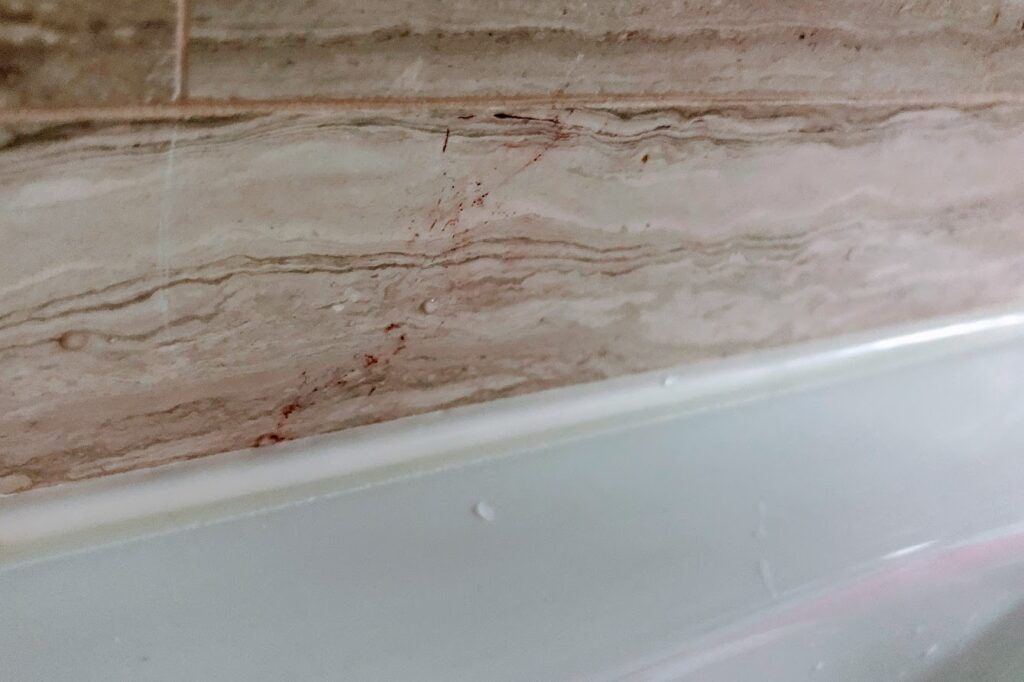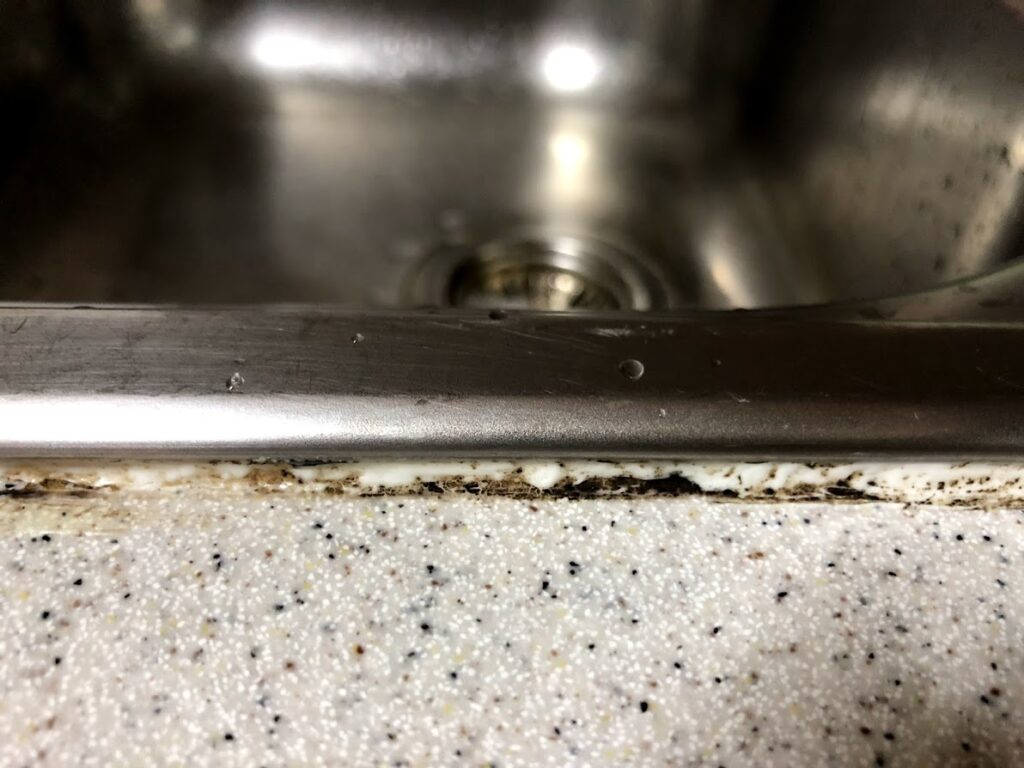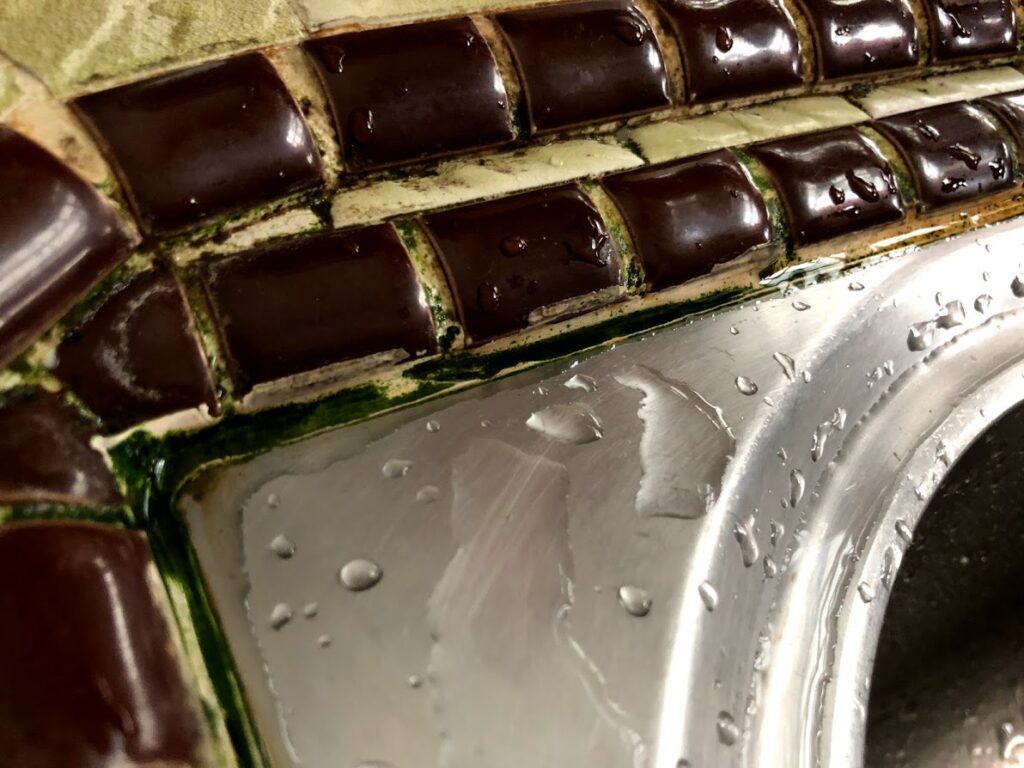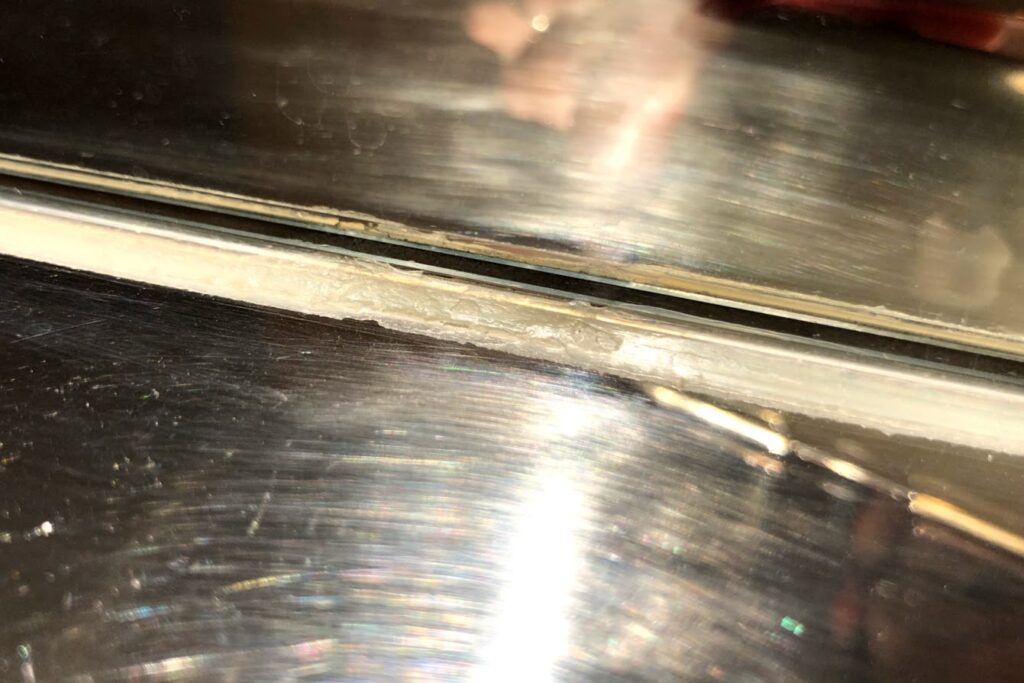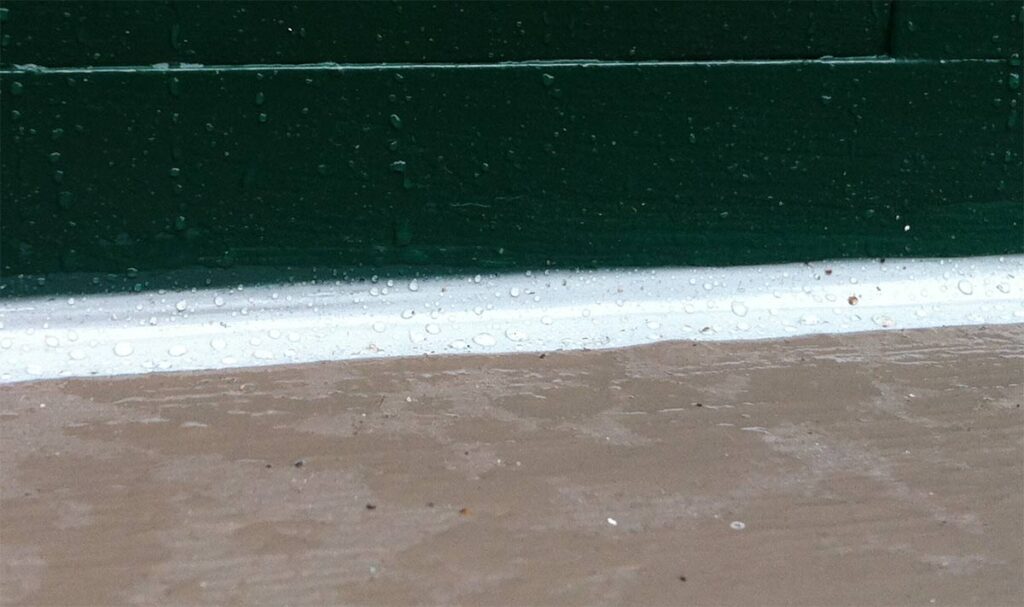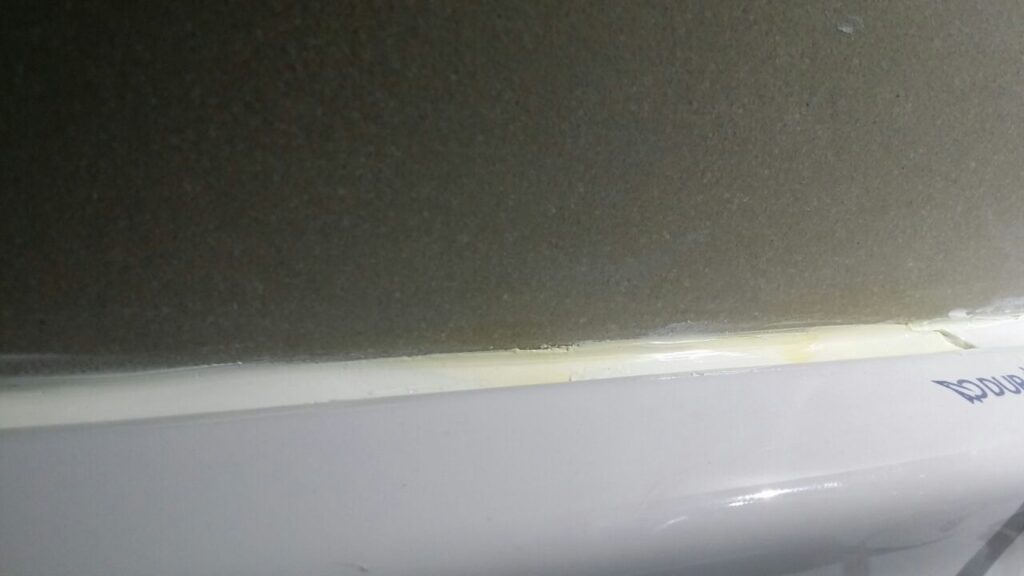
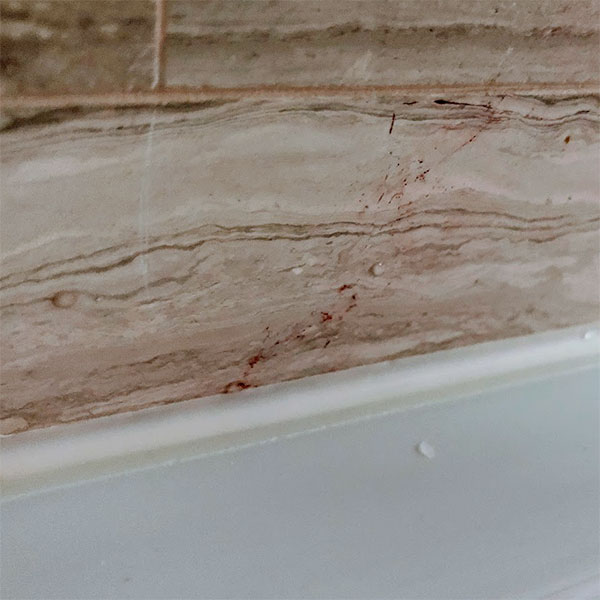
Sealants used in kitchens, bathrooms, windows and other home applications are not interchangeable. Product selection should be based on the substrates, joint movement, water and weather exposure, paintability, finish and maintenance requirements.
Common sealant types
Silicone sealants
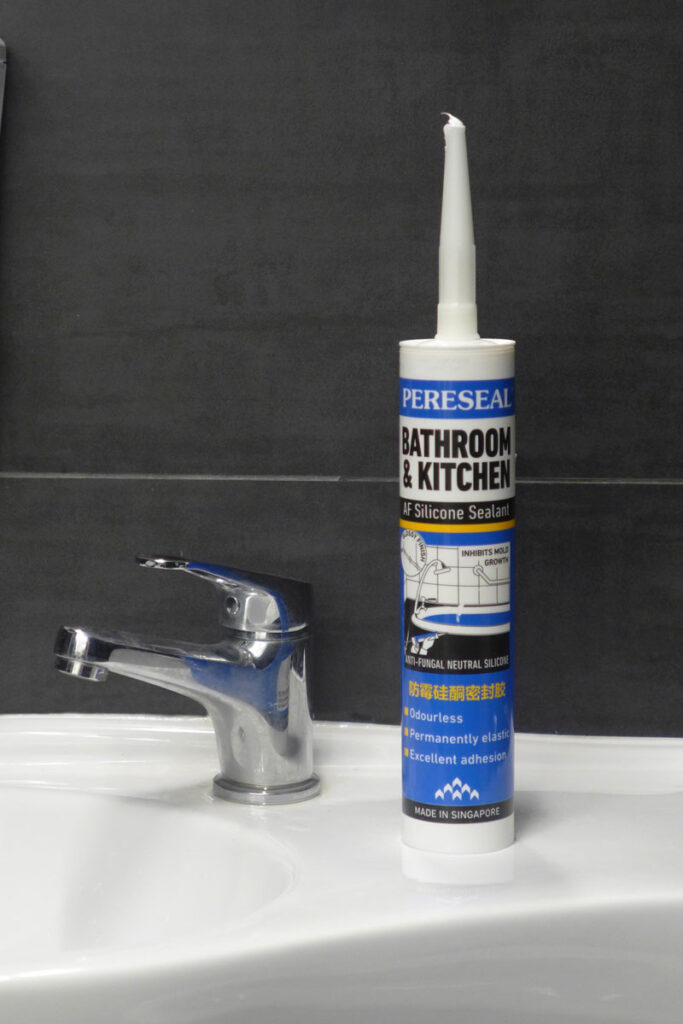
Silicone sealants are commonly used for glazing, sanitary joints and exterior weather sealing. Neutral-cure and acetoxy products have different substrate compatibility. Sanitary grades contain a fungicide but still require routine cleaning and ventilation.
Acrylic sealants
Acrylic sealants are generally used for low-movement interior gaps and joints that will be painted. Water and weather exposure limits vary by product.
Polyurethane sealants
Polyurethane sealants are used for construction joints where adhesion, elasticity and paintability are required. Application and coating compatibility must follow the product data.
Hybrid-polymer sealants and adhesives
Hybrid polymers can provide sealing and bonding functions and are generally paintable. Products vary in initial grab, movement capability, curing rate and exposure limits.
Information to confirm before work starts
- Product name, colour and batch quantity.
- Compatibility with both joint substrates and any adjacent coating or natural stone.
- Required movement capability, water exposure and temperature range.
- Whether the joint needs backing material, primer or a specific depth-to-width ratio.
- Required curing time before water exposure, painting or loading.
Application and maintenance
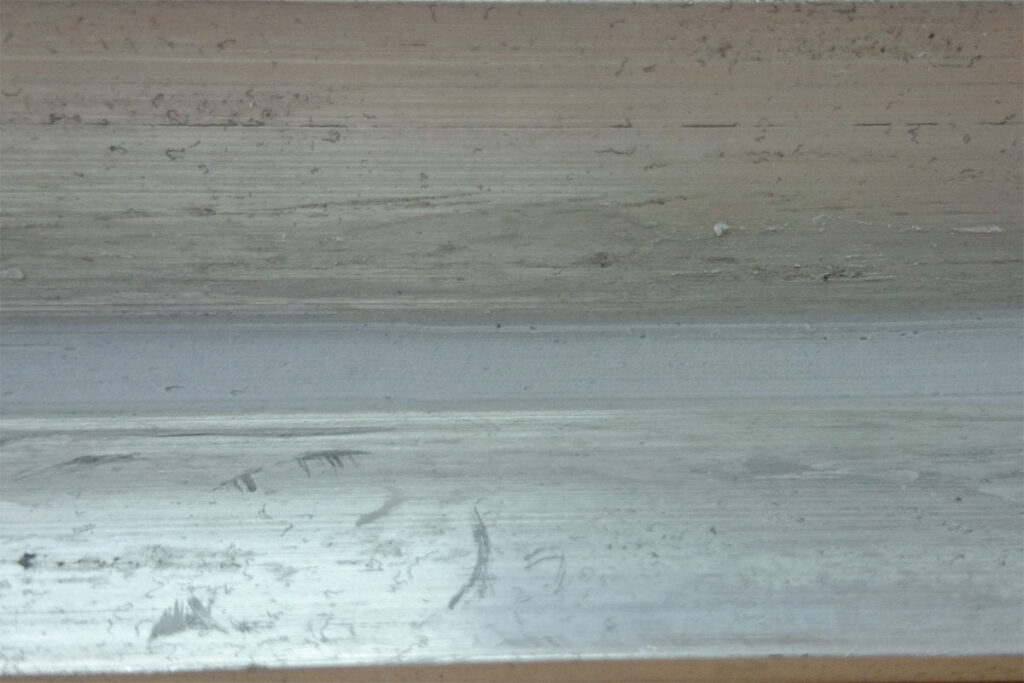
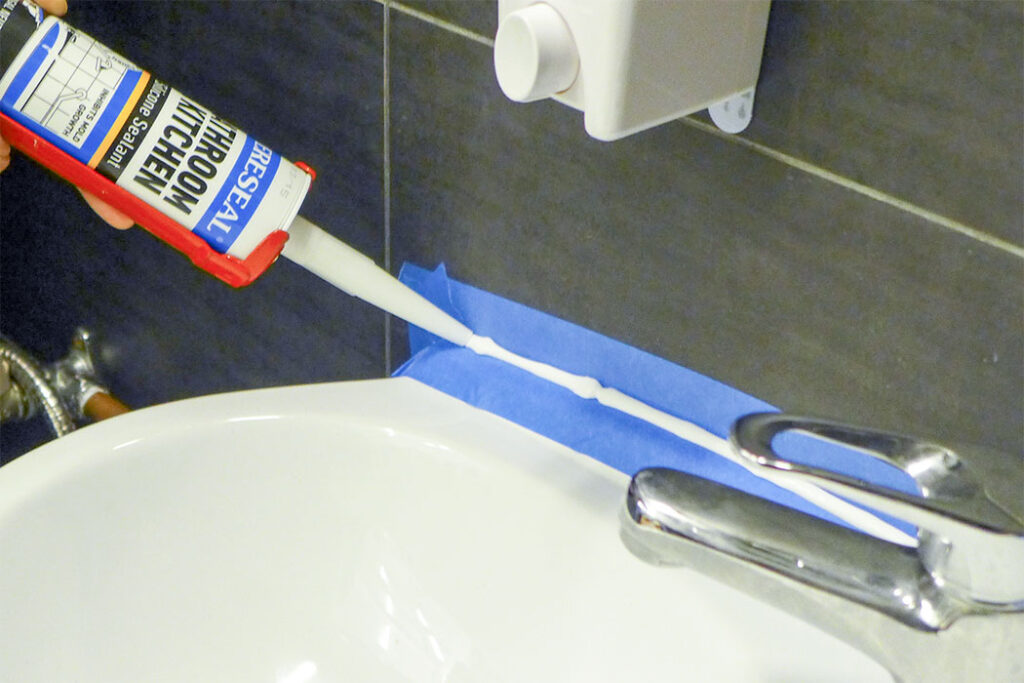
Remove failed sealant and contamination, prepare the surfaces as stated in the technical data sheet, apply the specified joint geometry and allow the product to cure before service. Use the safety data sheet for handling, ventilation and personal-protective-equipment requirements.
Browse current sealant products or contact PFE Technologies with the substrates and service conditions.